
Practice an AI Mock Interview Before the Real One
Choose an interview type and language, then add your resume and the job posting if you have them. An AI interviewer joins within seconds and asks role-specific interview questions over your microphone. It follows up based on your answers and keeps the session moving. Afterward, you receive a detailed report.
Try 3 Minutes Free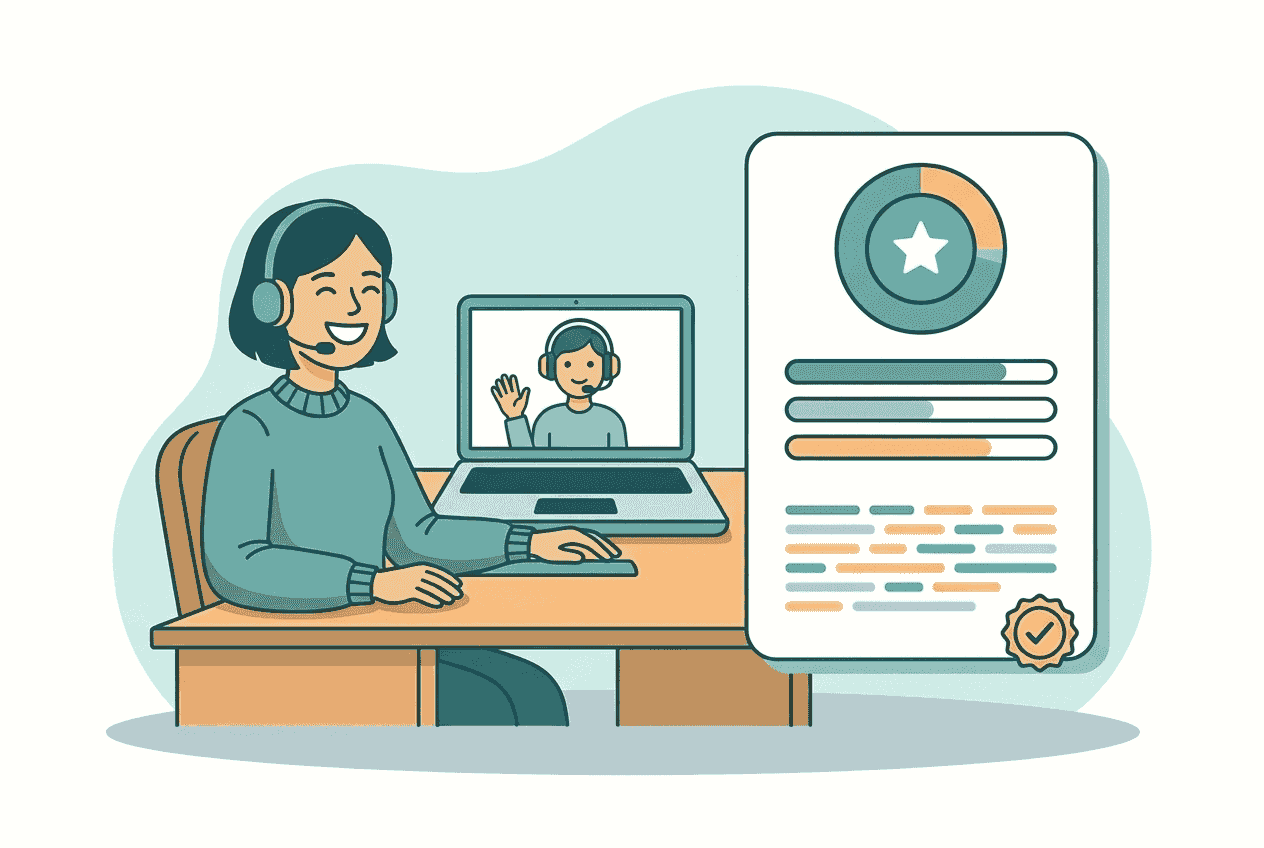
What each session includes
- 10 min
- live spoken interview on paid plans
- 4
- interview types
- 42
- available languages
- 0-100
- score on every answer
A spoken interview that responds to your answers
You start on the AI interview page at app.owlapply.com. Select your microphone, choose one of 42 languages, and pick an HR, technical, behavioral, or hiring manager interview. You can select a resume already saved in your OwlApply account and paste up to 10,000 characters from the job posting. Both are optional, but adding them gives the interviewer more context about your experience and the role. When you select Start, the interviewer joins within seconds.
The interview happens live through your microphone, with no webcam needed. The interviewer has already read summaries of your resume and the job posting, so the interview questions refer to your background and the position. Each next question depends on your previous answer. If you say only that a project “went well,” it may ask once for an example or evidence. It also notices contradictions, avoids repeating answered questions, and asks one thing at a time. You do not receive coaching during the session. Feedback comes afterward in a report based on the full transcript.
What shapes your interview questions
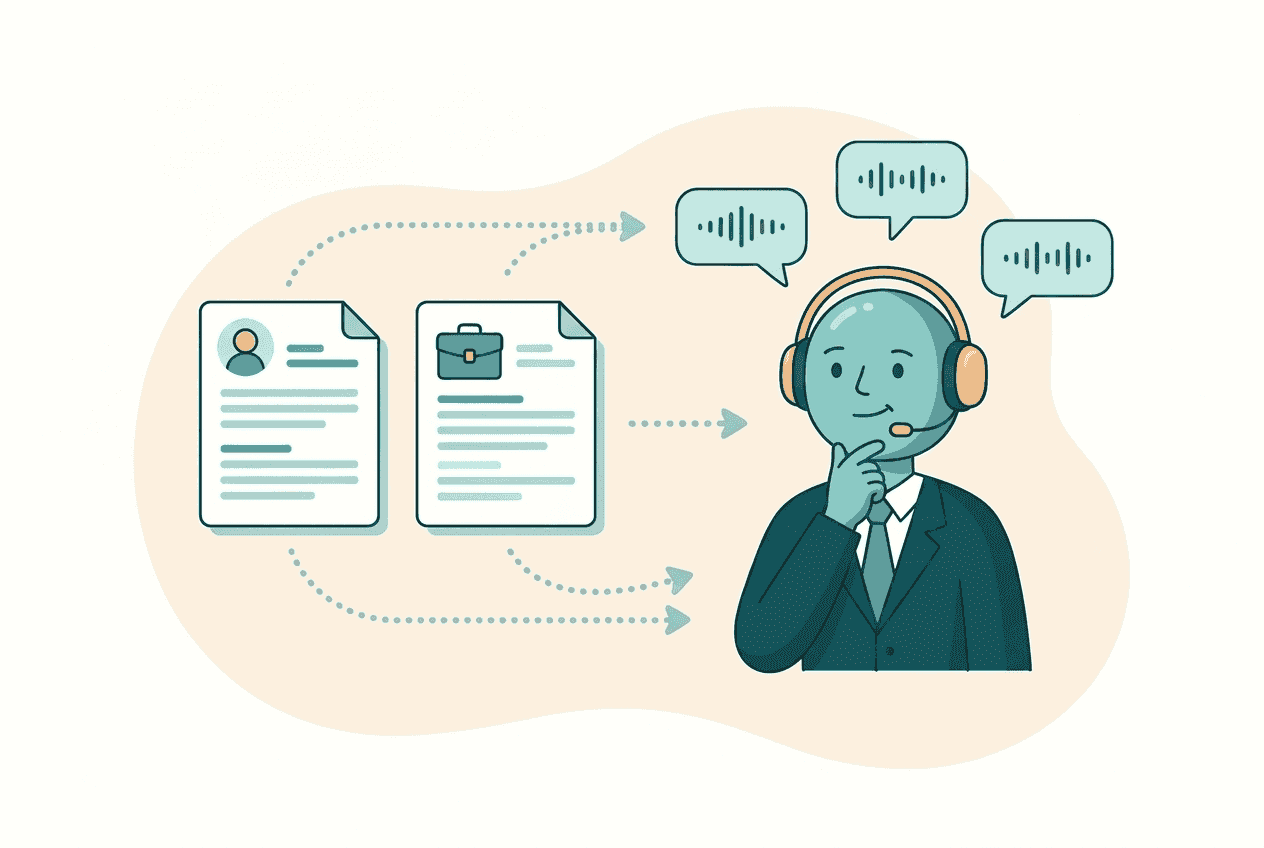
Your resume and the role
Select a saved resume and paste the job posting before you begin. The interviewer uses summaries of both to ask about relevant projects, responsibilities, skills, and goals. Instead of receiving a generic list, you might be asked why a specific part of your experience fits a requirement in the posting.
Your previous answer
The question sequence is not fixed in advance. The interviewer listens to each answer before deciding what to ask next. It can request concrete evidence when an answer is vague, notice a contradiction, or move forward when you have already covered the point. It asks only one question per turn.
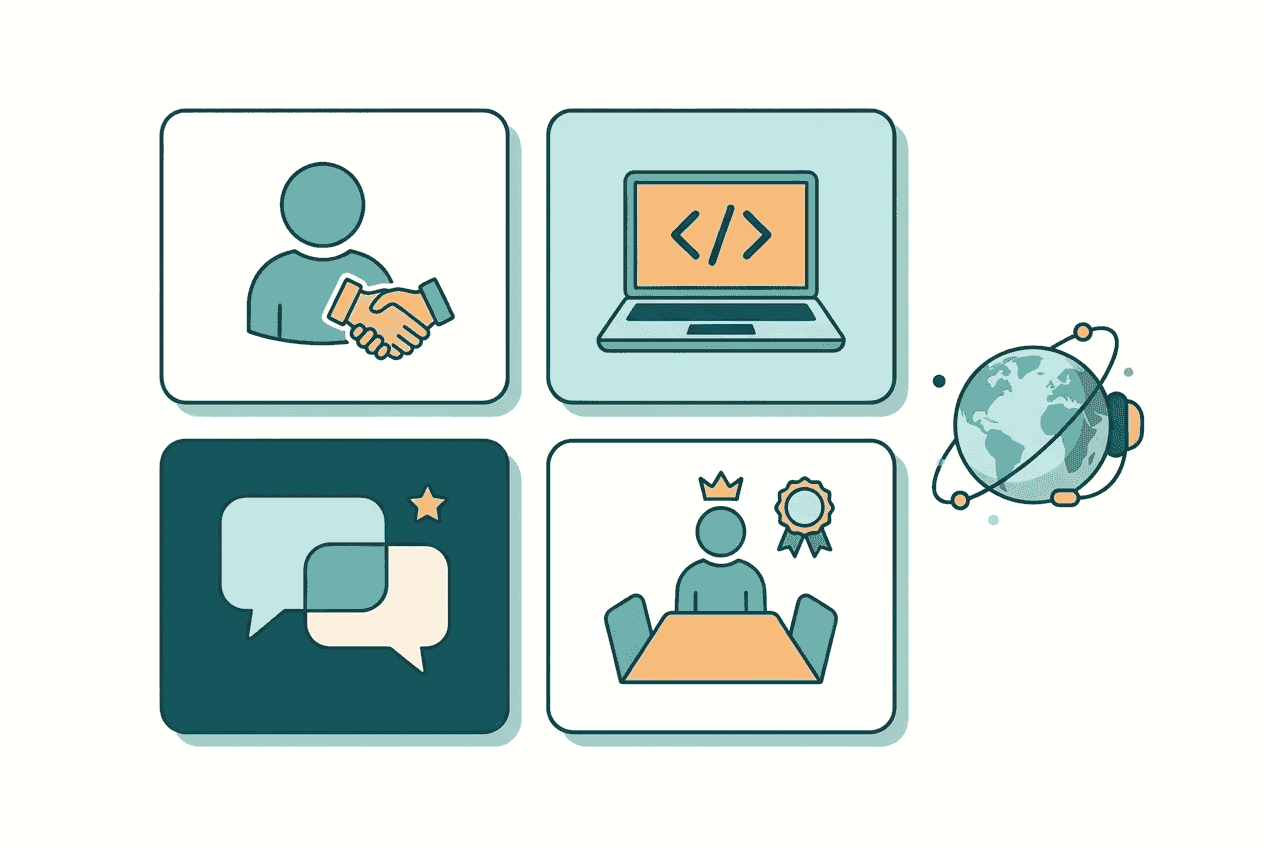
The interview you are preparing for
HR interviews focus on fit, motivation, and basic qualifications. Behavioral interviews examine past situations using situation, task, action, and result. Technical interviews explore spoken problem solving and engineering thinking, without a code editor. Hiring manager interviews weigh team fit, career goals, and long-term potential.
See how each answer held up
When the session ends, the report is generated once from the full transcript. A preparation screen appears briefly, then the saved report opens within seconds.
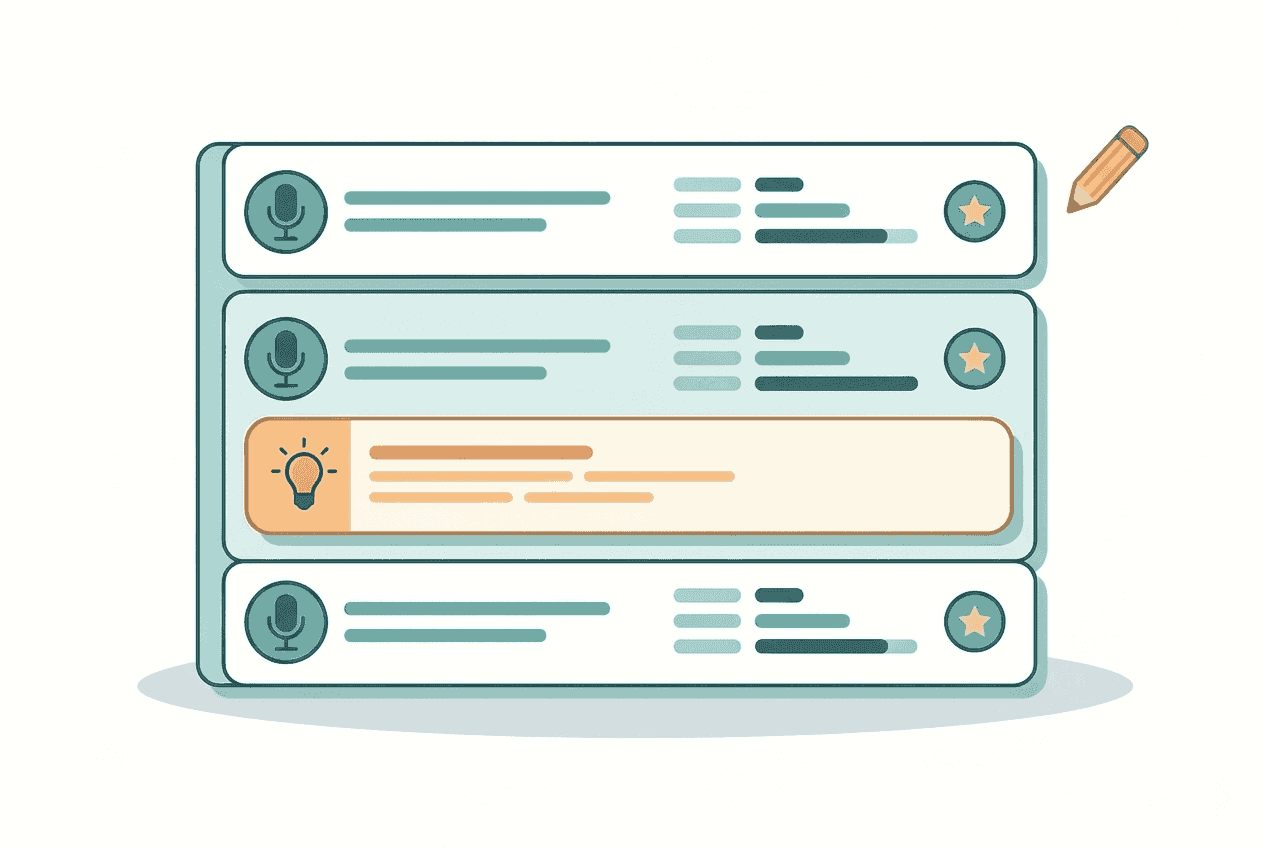
- Scores for every answer: Each question-and-answer pair receives a score from 0 to 100, plus relevance, specificity, and structure scores.
- Clear review notes: A “what worked” note identifies useful parts of your answer, while “what to fix” explains what was missing or unclear.
- A stronger suggested answer: The report rewrites the response using only your own resume and the experience you described during the interview.
- Your overall result: You receive an overall score, a short summary, strengths, improvements, and a practical next-steps list.
- The complete conversation: A timestamped transcript lets you return to the exact wording of each question, answer, and follow-up.
- Your session history: Previous sessions and reports remain in your account, so you can compare scores and see whether specific answers improved.
A vague answer becomes a useful follow-up
Here is an illustrative behavioral interview exchange, followed by the kind of report entry it produces. The details are examples, but the format is the one used in reports.
Interviewer: Tell me about a time you improved a process at work.
Candidate: I changed our returns handoff, and it went well.
Interviewer: What did you change, and what evidence showed that it worked?
Candidate: At a mid-sized online retailer, I mapped where returns were waiting between customer support and the warehouse. I introduced a shared queue and a twice-daily review. Over six weeks, average response time fell from 18 hours to 11 hours, and repeat customer contacts dropped by 14%.
From the report
Score 74/100. Relevance 85, specificity 70, structure 65.
- •What worked: The answer names the process change, gives a six-week timeframe, and supports the result with two measurable outcomes.
- •What to fix: Clarify your personal responsibility and explain why the shared queue and review schedule addressed the original delay.
- •Suggested answer: “At a mid-sized online retailer, I found that returns were waiting between customer support and the warehouse. I introduced a shared queue and twice-daily review, which reduced average response time from 18 to 11 hours over six weeks and cut repeat contacts by 14%.”
How to run an interview in OwlApply
Choose the type and language
Pick HR, technical, behavioral, or hiring manager practice. Then select the language you want the interviewer to speak. The report will be written in that language as well, so you can rehearse and review in the language of your real interview.
Add your background and the role
Select one of the resumes saved in your account and paste the job posting. Both steps are optional. When included, they help the interviewer ask about your actual experience, the employer’s requirements, and the areas where the two connect.
Answer out loud for ten minutes
Select Start and speak through your microphone. A paid session lasts ten minutes, usually covering around six interview questions plus follow-ups. Near the end, the interviewer asks whether you have a question, thanks you, and closes the conversation properly.
Read the saved report
Once you leave, time runs out, or the interviewer closes the session, the report is prepared from the complete transcript. Review individual scores, suggested answers, strengths, improvements, next steps, and timestamps. The session remains available in your account.
A practical schedule for the week before
Four focused rounds are usually more useful than repeating the same interview. Use each report to decide what to practise next.
- Day 1, HR mode. Practise why you want the role, what you know about the employer, and how your background meets the basic requirements. Review any answer that sounds generic or fails to connect your experience to the posting.
- Day 3, behavioral mode. Prepare examples covering conflict, priorities, mistakes, and results. Check whether each answer clearly includes the situation, task, action, and result, then note where the report asks for more specific evidence.
- Day 5, technical or hiring manager mode. Choose technical practice for spoken problem solving and engineering thinking. Choose hiring manager practice if you need to explain team fit, career goals, ownership, and your longer-term interest in the position.
- Day 6, repeat the weakest round. Open your earlier report and identify the lowest-scoring answers. Run the same interview type again, using clearer structure and evidence rather than memorizing the suggested wording. Compare both sessions in your history.
How is this different from using a chatbot?
A general chatbot can ask interview questions when prompted well, and it can help draft an answer. OwlApply runs the timed spoken session and organizes the review afterward.
| General chatbot | OwlApply interview practice | |
|---|---|---|
| Questions | Depends on the prompt and context provided | Based on your resume, role, and interview type |
| Format | Usually a general text conversation | Timed spoken session through your microphone |
| Follow-up questions | Possible when specifically prompted to adapt | Chosen after listening to each spoken answer |
| Scoring | Requires you to define a scoring method | Every answer scored across three dimensions |
| Suggested answers | Useful for drafting when you provide details | Drawn from your resume and spoken experience |
| Progress | No structured interview history by default | Saved sessions, scores, reports, and transcripts |
Start free, then use your plan allowance
If you have never completed an interview, you receive one free three-minute session. The 7-day trial includes two 10-minute sessions. The monthly plan includes 6 per month, the 3-month plan includes 18, and the 6-month plan includes 36. Unused sessions do not carry over, and the allowance resets when your plan renews. The same subscription covers all OwlApply features. See plans and allowances.
Start Free
Questions about AI interview practice
How does the AI mock interview work?
Which interview types can I practise?
Is the first session free, and how many sessions are included?
When do I receive feedback?
Can ChatGPT run a mock interview?
Which languages are available?
How long does each interview last?
Are my interviews and reports private?
Do I need a webcam?
From blank page to submitted application
Build the resume, see the openings that actually match it, and send the application without filling the same form twice.
Build an ATS-ready resume
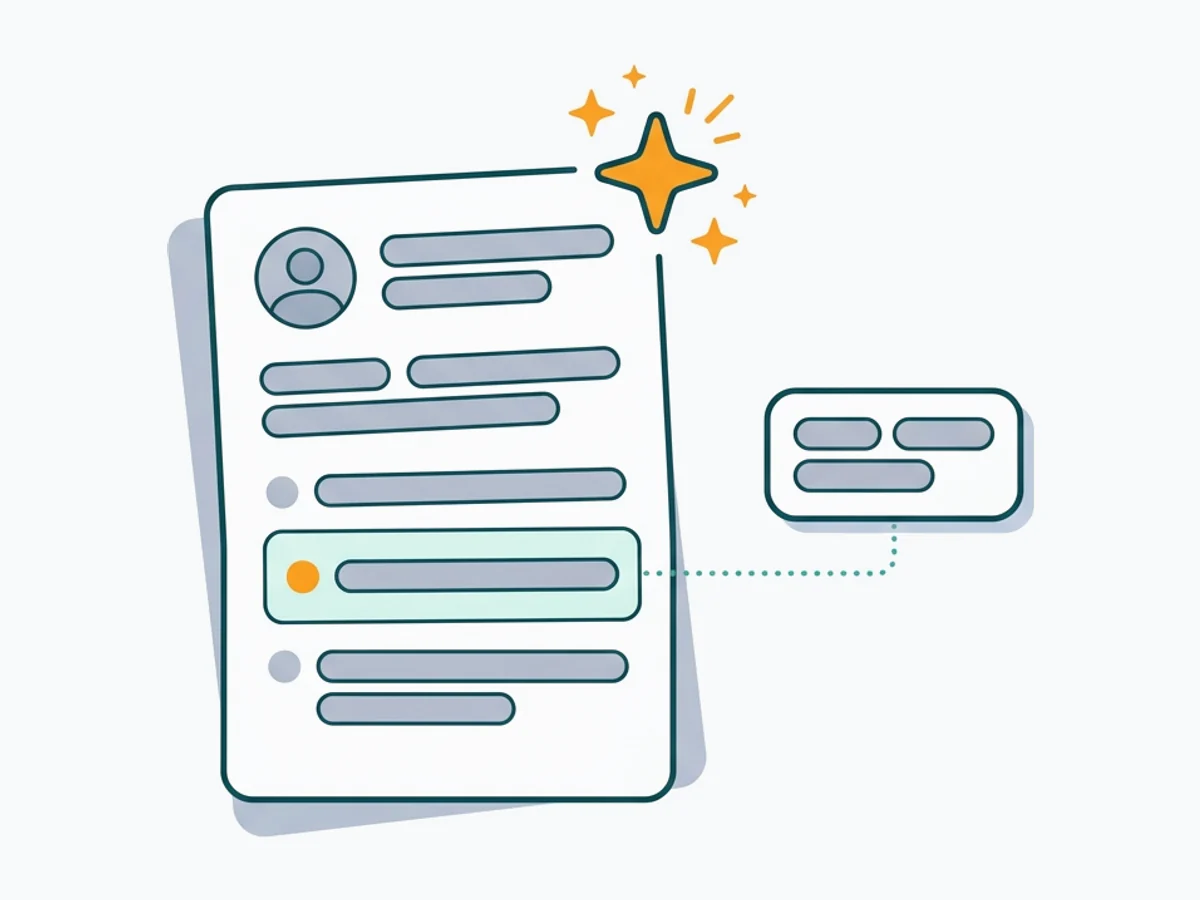
Start from a proven template or import the resume you already have, then sharpen every bullet point with AI.
Find jobs that match your resume
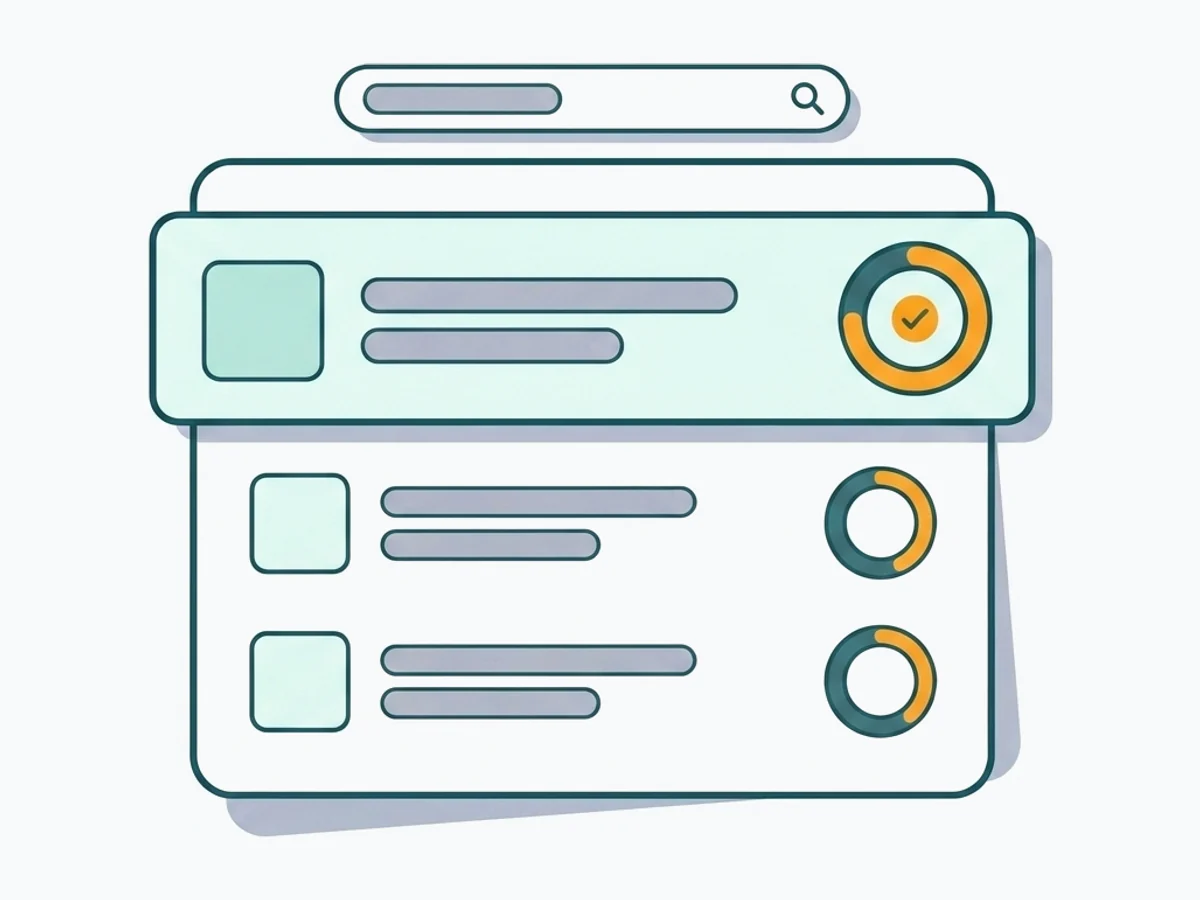
Live openings are scored against your resume, so the roles that fit your experience come to the top.
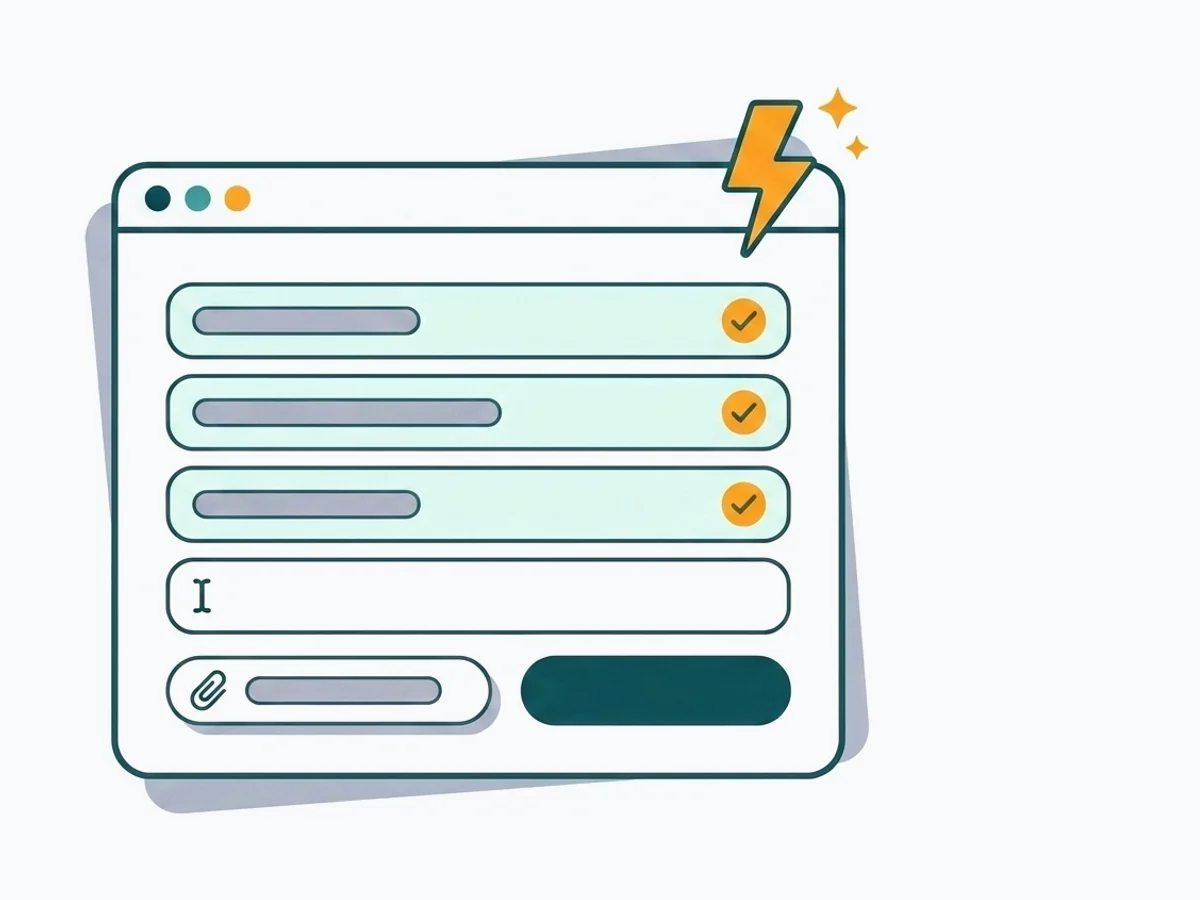
Apply without retyping
The Chrome extension fills applications on Workday, Lever, Greenhouse and 50+ other platforms and attaches your documents.
- 50+ ATS-ready templates
- Autofill on 50+ job platforms
- Resumes in 50+ languages