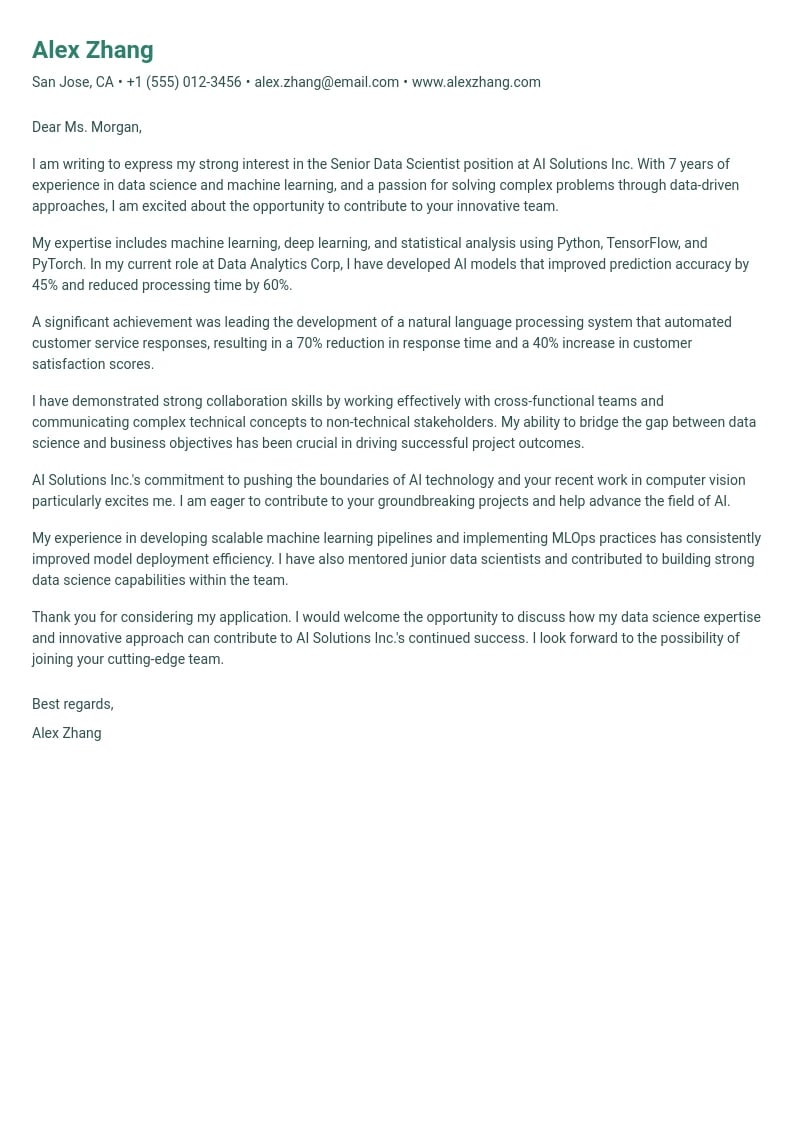
Creative Edge
Unique layout that showcases personality while maintaining professionalism.

Stand out with unique designs perfect for creative industries and design roles.
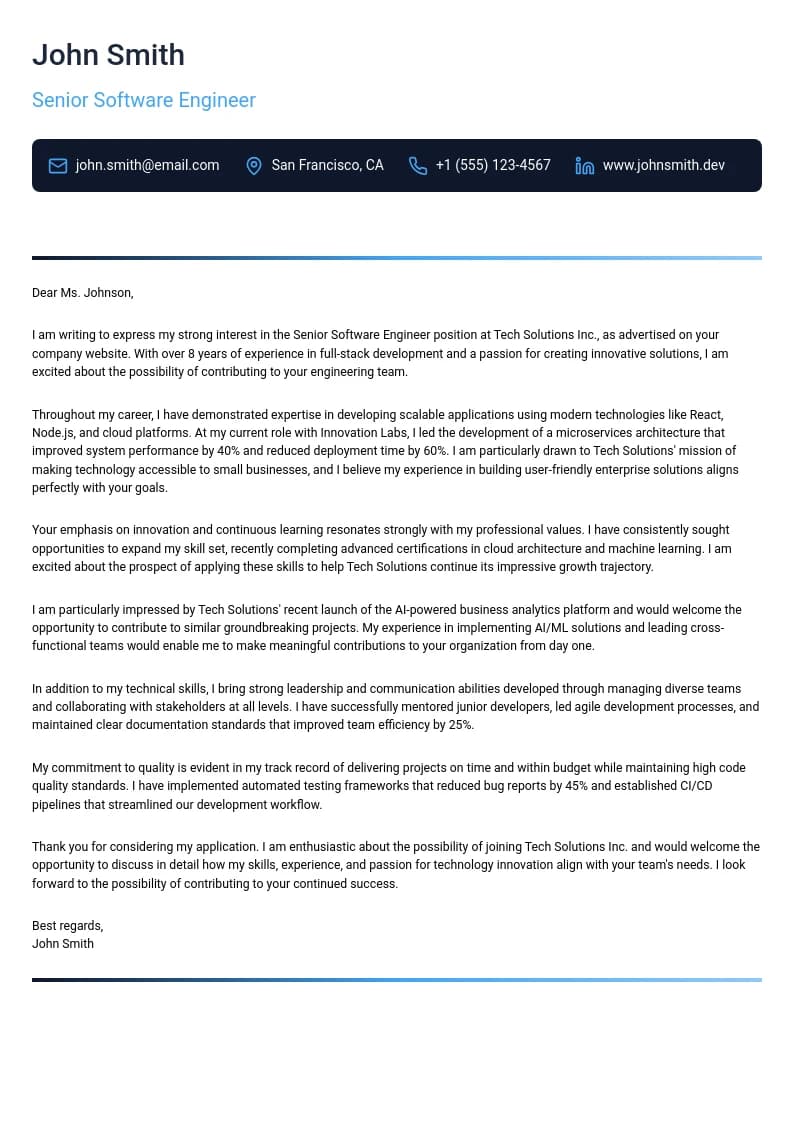
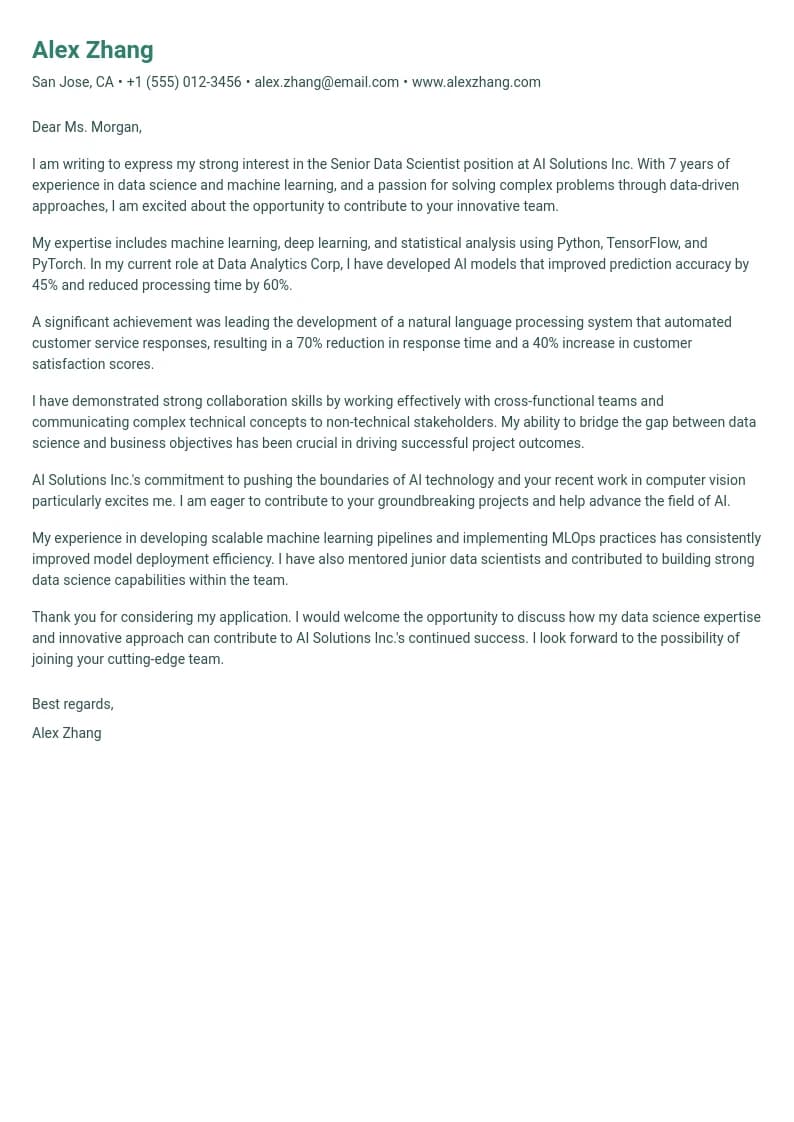
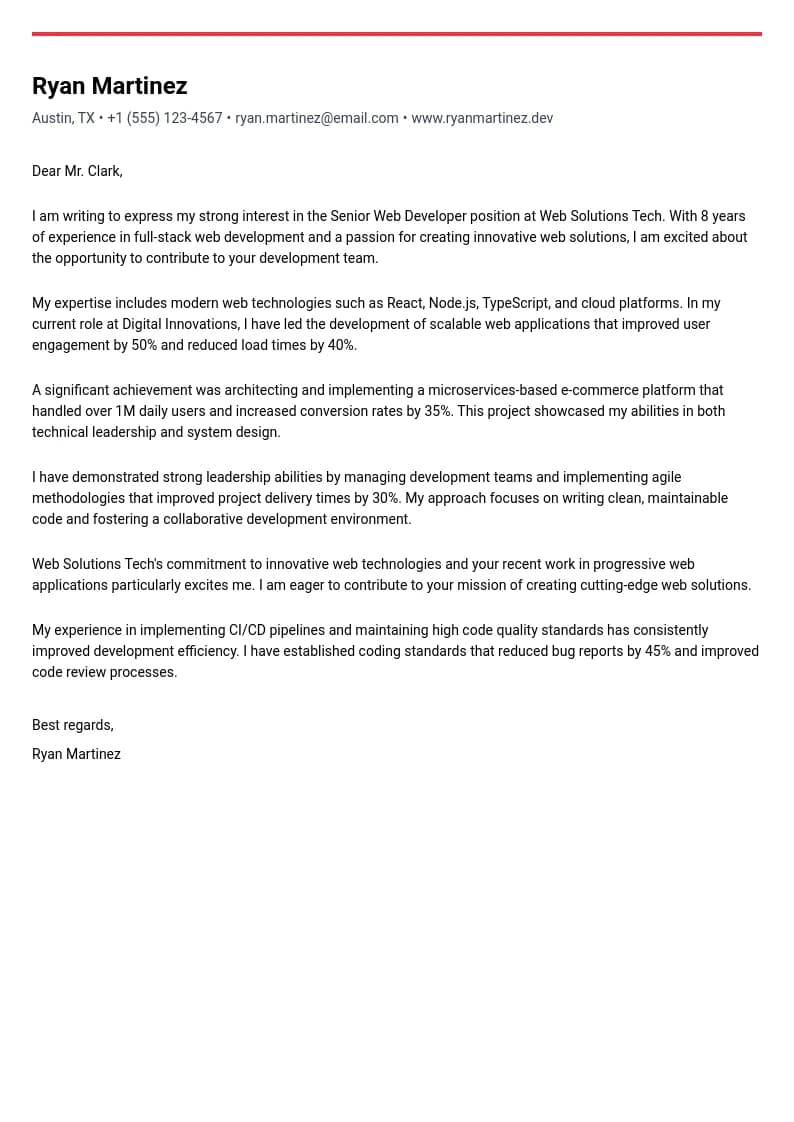
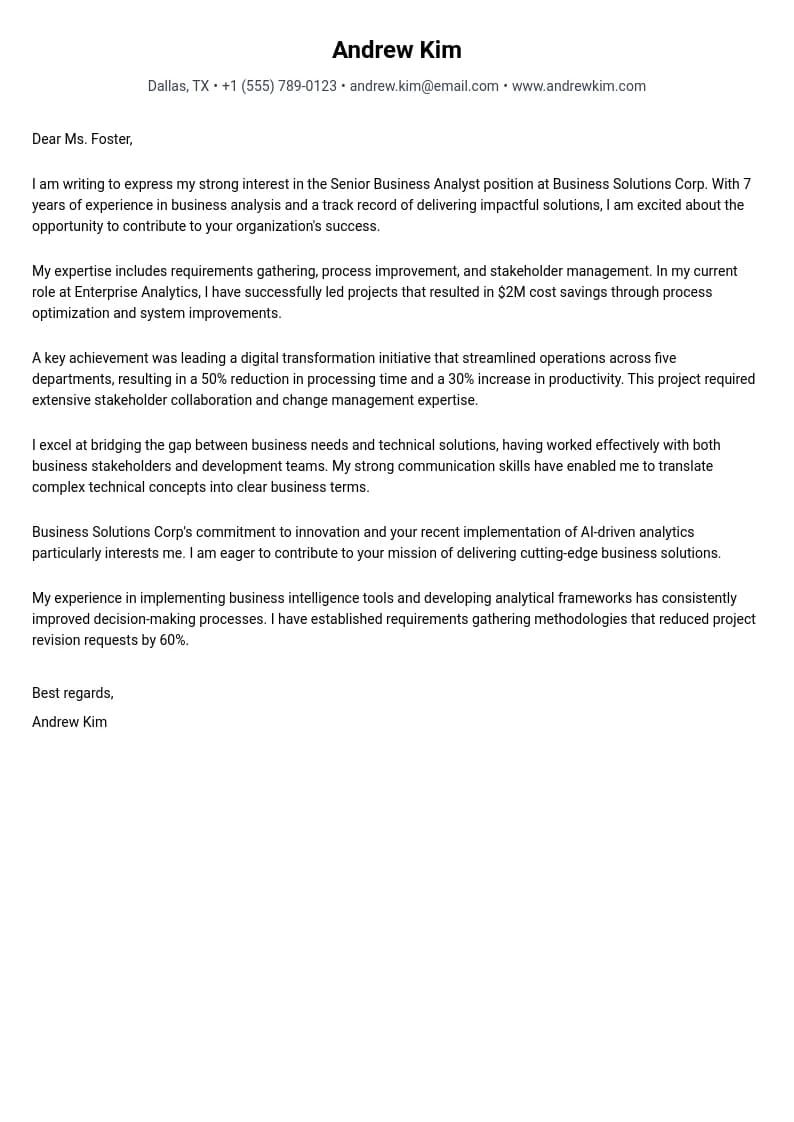
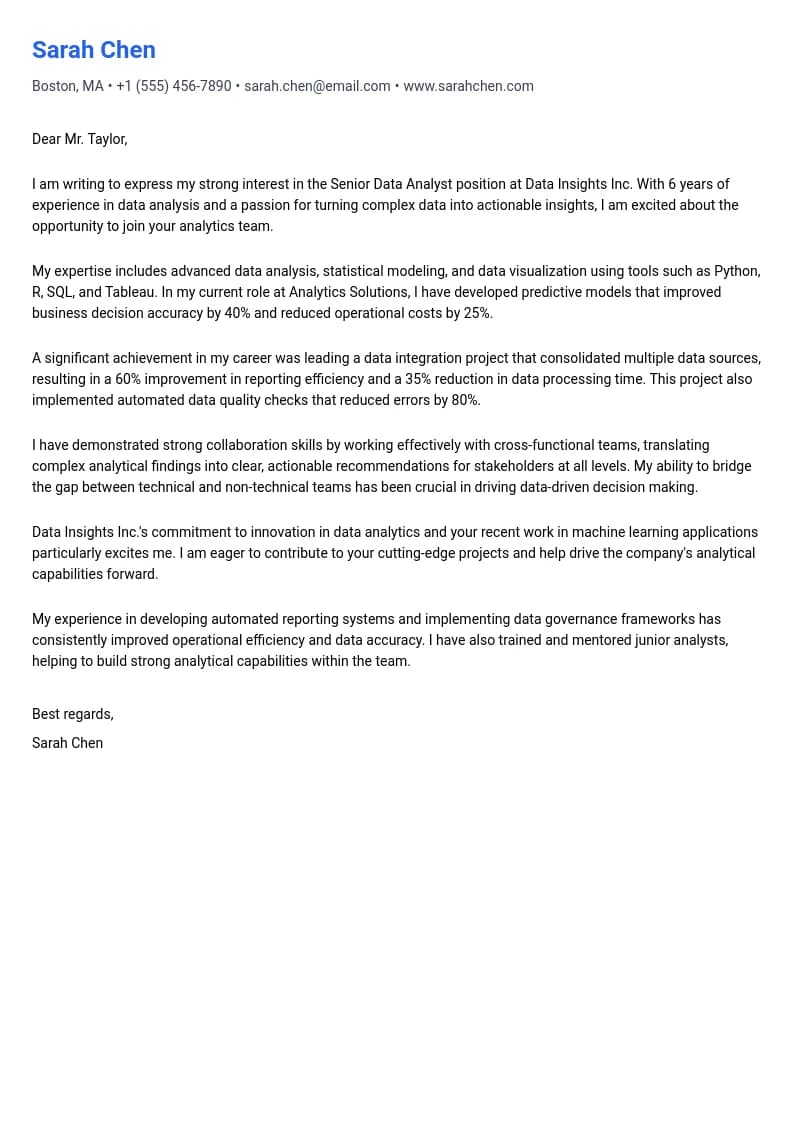
Unique layout that showcases personality while maintaining professionalism.
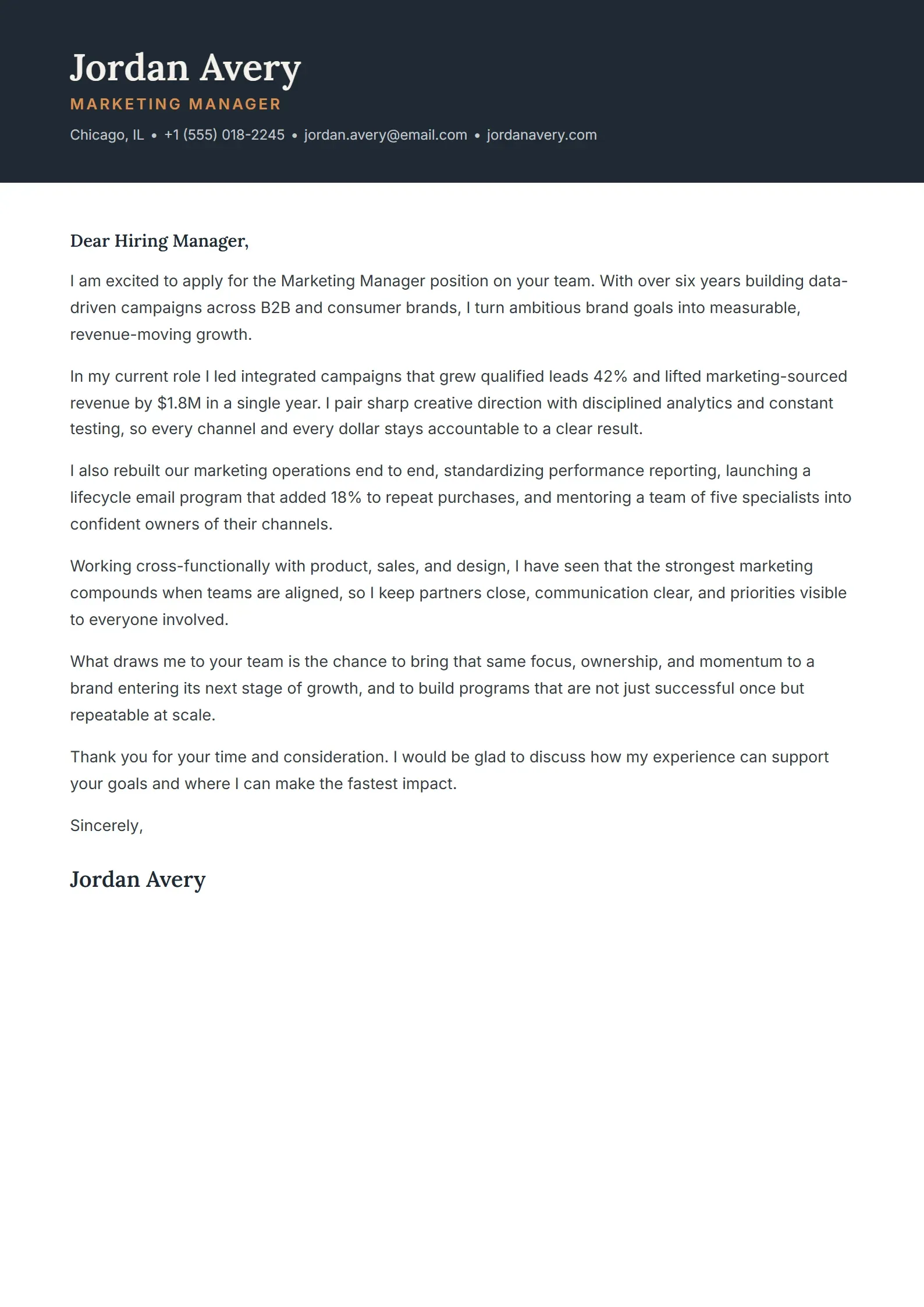
Bold navy header band with a gold accent title that commands attention on the page.
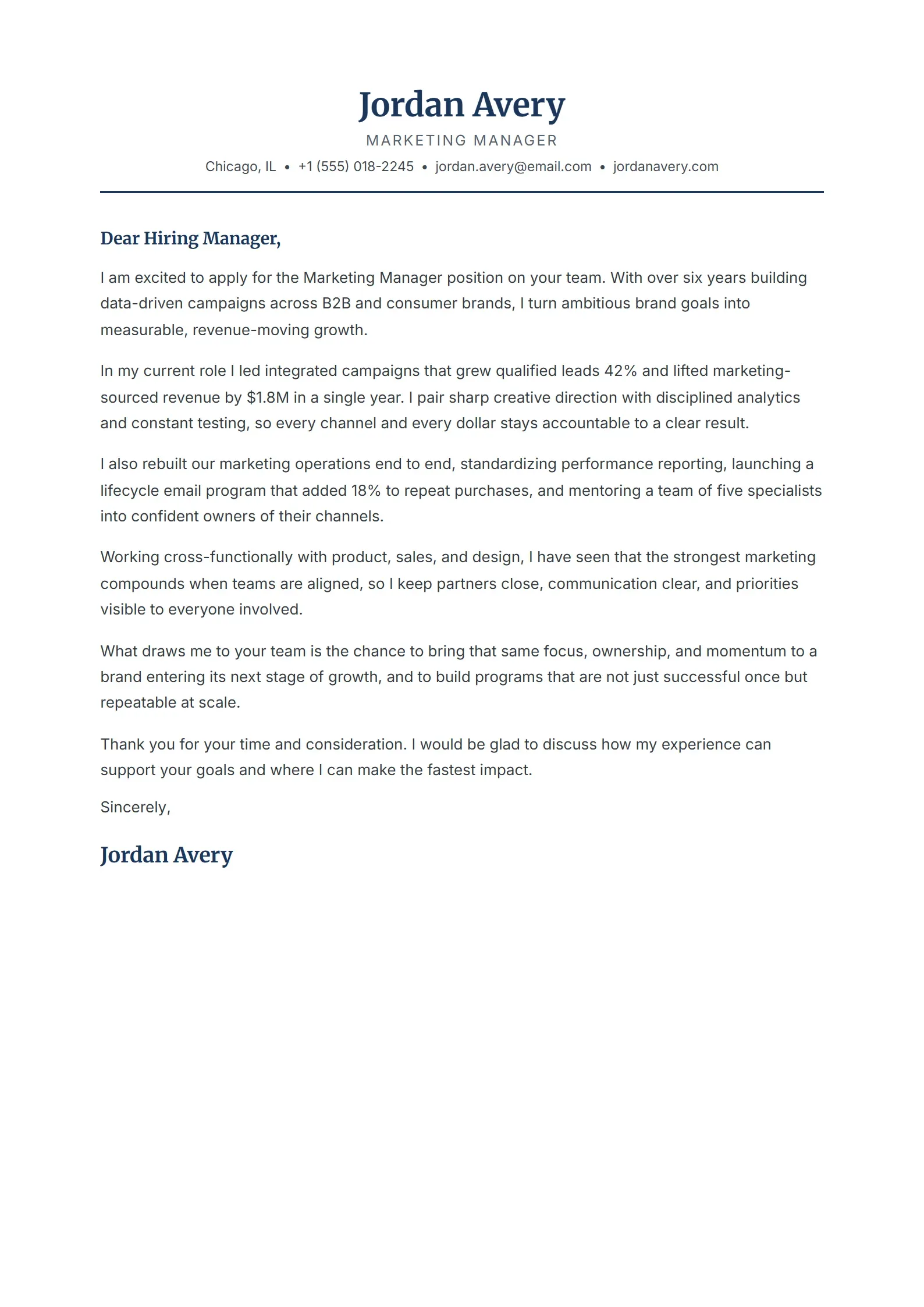
Bold sidebar layout in deep green, made for creative and design-forward fields.
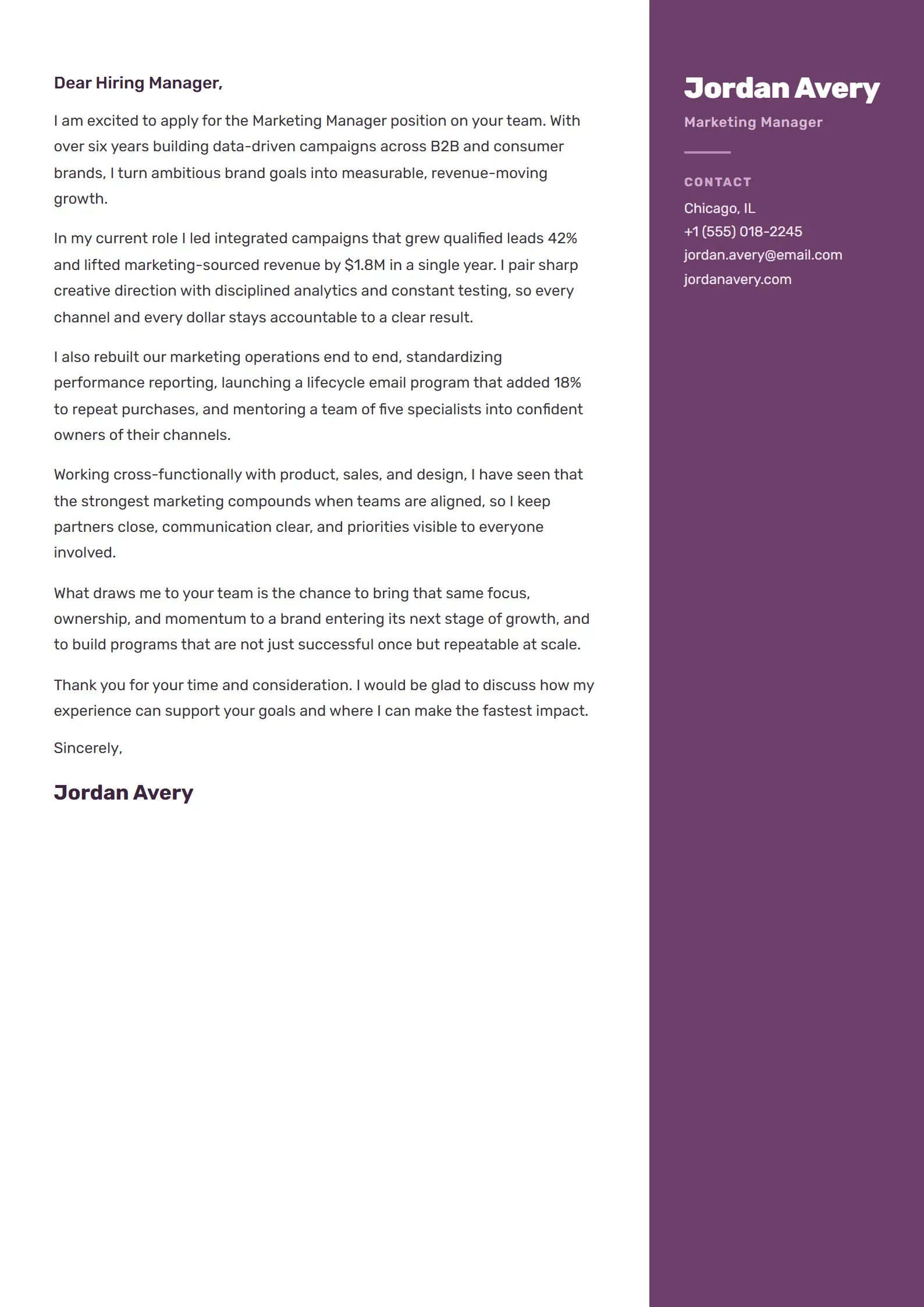
Striking plum color block that helps your application stand out from the stack.
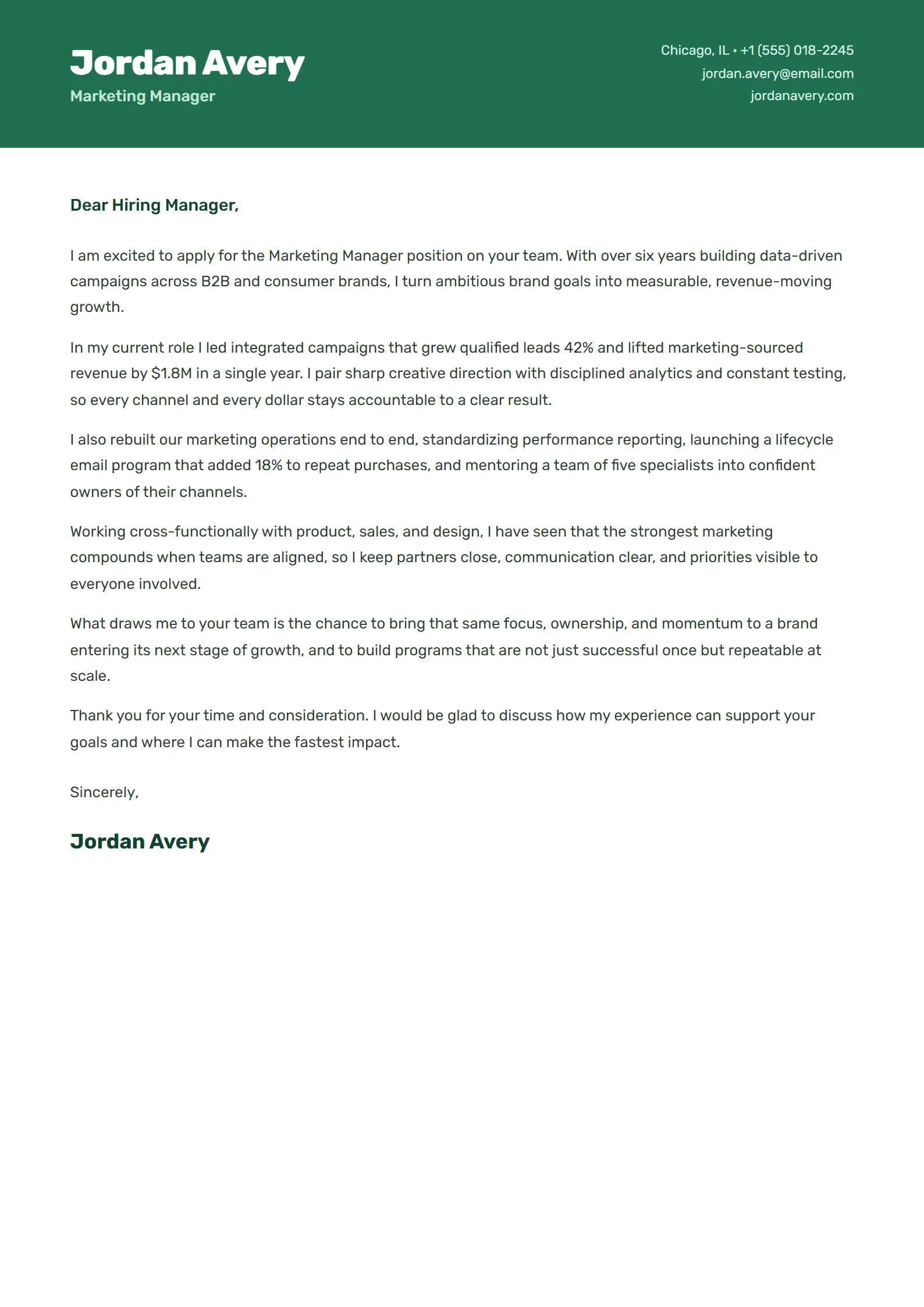
Full-width green header with reversed text for a strong, design-forward statement.
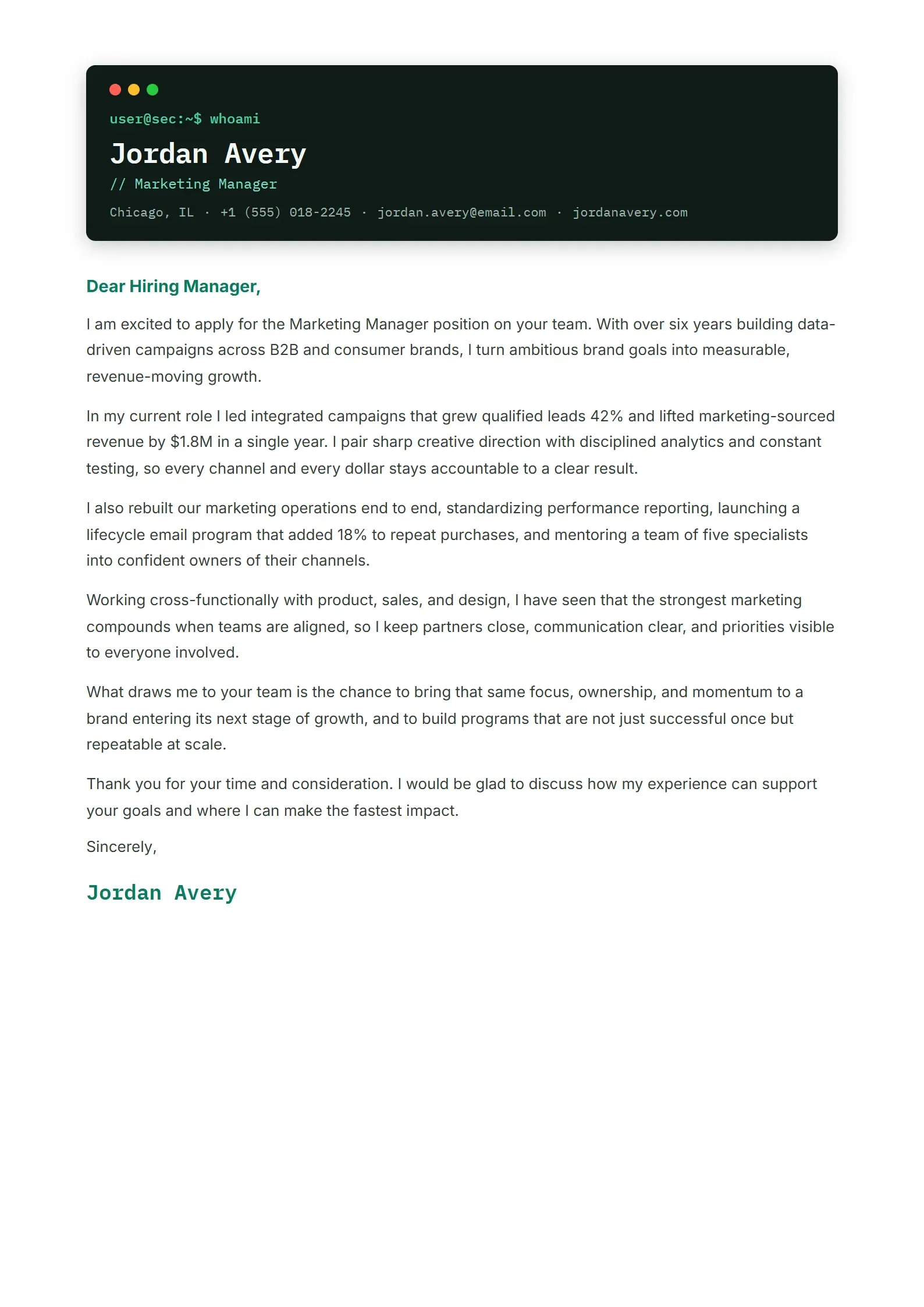
Developer-themed header with a terminal look, made for tech and engineering roles.
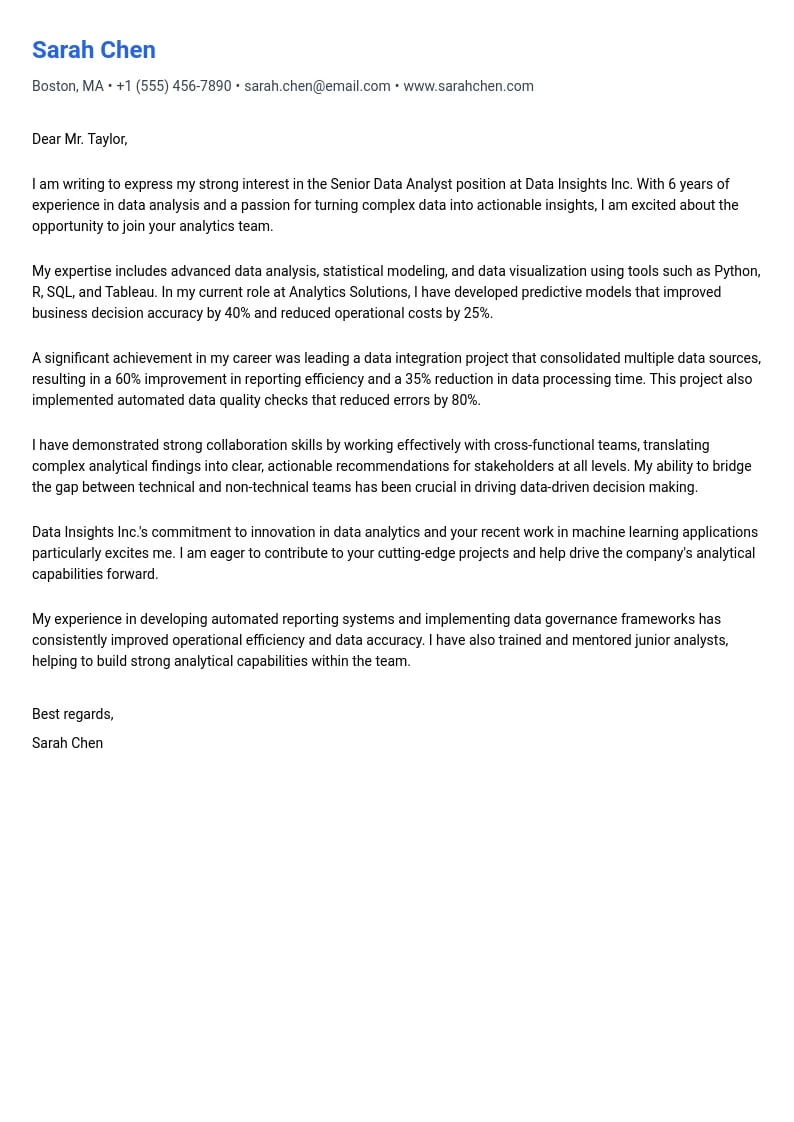
Forward-thinking design that stands out from traditional formats.
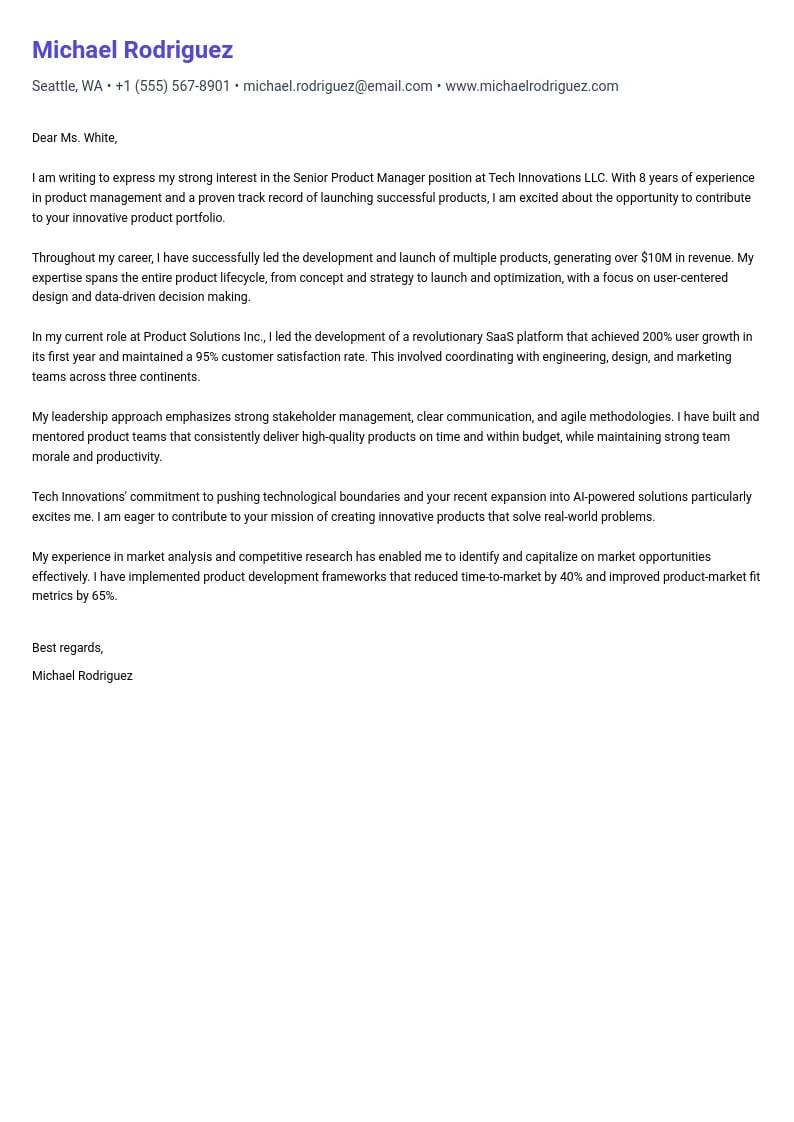
Creative template that balances artistic flair with professionalism.
Discover how creative cover letter templates help designers plus artists (and creative professionals) showcase their unique style while maintaining professionalism. Learn when and how to use bold designs that capture attention and land interviews in 2026.
In creative industries, your cover letter isn't just a formality-it's your first portfolio piece. Creative cover letter templates offer designers, artists and marketers (other creative professionals too) the opportunity to showcase their aesthetic sensibility and design skills before the interview even begins. While traditional templates prioritize clean simplicity, creative templates embrace visual storytelling plus unique layouts (and bold design choices) that reflect your creative identity. In 2026's competitive creative job market, a well-designed creative cover letter can be the difference between landing an interview and getting overlooked.
Why Creative Cover Letter Templates Work
Creative cover letter templates are professionally designed layouts that go beyond traditional formatting to incorporate distinctive visual elements, unique typography plus bold color schemes (and innovative layouts). Unlike simple or modern templates that prioritize ATS compatibility and conservative aesthetics, creative templates are designed for situations where visual impact and design demonstration matter most.
These templates allow you to surface your design sensibility, color theory knowledge plus typography skills (and overall creative thinking) directly within your application materials. They're ideal for industries where creativity plus visual communication matter (original thinking too) are not just valued-they're required. However, creative templates must still maintain a balance: they should be eye-catching without being overwhelming, unique without being unprofessional, and creative without sacrificing readability.
Creative cover letter templates aren't for everyone or every situation. Understanding when they're appropriate-and when they're not-is crucial for application success.
Graphic designers, UX/UI designers, art directors plus illustrators (other visual professionals too) should almost always use creative cover letter templates. These roles explicitly require design skills, and your cover letter is an opportunity to demonstrate those skills immediately. A creative template shows you can apply design principles to real-world professional documents, not just client projects.
Perfect Roles for Creative Cover Letter Templates
When applying to advertising agencies, design studios, creative consultancies, or similar creative-focused organizations, creative cover letter templates are often expected. These companies live and breathe visual communication-they want to see that you do too. A generic cover letter to a creative agency suggests you don't understand their culture or priorities.
If the job application requires a portfolio, that's a strong signal that creative cover letter templates are appropriate. Portfolio-based positions judge candidates on creative output and visual presentation-your cover letter should align with those expectations. Think of your cover letter as the introduction to your portfolio, setting the visual tone for everything that follows.
Just as important as knowing when to use creative templates is understanding when they're inappropriate. Using a creative template in the wrong context can seriously damage your candidacy.
A successful creative cover letter combines several key elements that work together to showcase both your creative abilities and your professional qualifications.
Your creative cover letter should have a clear, distinctive visual identity that immediately signals your design sensibility. This includes a cohesive color palette (which can be bolder than traditional templates), unique typography choices, and a layout that feels fresh and intentional. The visual identity should feel like an extension of your personal brand and portfolio aesthetic.
Creative templates can explore non-traditional layouts-asymmetrical designs, multi-column formats, creative use of negative space, or unconventional information placement. However, innovation should never compromise usability. The most successful creative layouts guide the reader's eye naturally through the document while demonstrating sophisticated understanding of visual hierarchy and information design.
Creative Layout Ideas That Work
Creative templates offer freedom to explore more expressive typography. You might use display fonts for headers, interesting font pairings, varied font weights, or even custom lettering for your name. However, body text must remain highly readable-never sacrifice clarity for style. The typography should surface your design taste while ensuring your message is accessible.
Unlike traditional templates that use minimal color, creative cover letters can incorporate bolder, more expressive color schemes. You might use multiple colors, gradients, or even subtle patterns or textures. Some creative templates also incorporate imagery-abstract shapes, illustration elements, or even subtle photography. The key is intentionality: every visual element should serve the design and enhance rather than distract from your content.
Consider integrating small portfolio samples directly into your creative cover letter-a tiny thumbnail of relevant work, a QR code linking to your portfolio, or small visual examples of projects mentioned in your text. This visual integration makes your letter more engaging and provides immediate proof of your capabilities. Our AI cover letter generator can help you structure content to complement these visual elements.
The biggest challenge with creative cover letters is striking the right balance between creative expression and professional communication. Too conservative, and you don't stand out; too wild, and you appear unprofessional or difficult to work with.
No matter how creative your design, the content must be easily readable. Hiring managers typically spend 20-30 seconds scanning a cover letter initially. If your design makes that scanning difficult, they'll move on. Use sufficient contrast, appropriate font sizes plus clear visual hierarchy (and logical information flow). Test your design by showing it to someone unfamiliar with it-can they quickly understand your key qualifications?
Your creative cover letter should demonstrate that you're current with design trends and industry standards. Outdated design choices (like early-2000s effects or overused trends) can make you appear out of touch. Research current design trends in your field, look at award-winning work, and ensure your cover letter feels contemporary and sophisticated.
Creative Cover Letter Quality Checklist
Even experienced designers can make mistakes when creating creative cover letters. Here are the most common pitfalls to avoid.
The most common mistake is trying to show every design skill in a single document. This results in visual chaos-too many colors, competing design elements plus unnecessary graphics (and a lack of visual focus. Remember: the goal is to demonstrate good design judgment, which includes restraint. A clean, thoughtful design with a few standout elements is far more impressive than a crowded page trying to do everything at once.
Your cover letter's primary purpose is still to communicate your qualifications and interest in the position. Some creative professionals get so focused on making their letter visually impressive that they forget to include compelling content. Your design should support and lift your message, never overshadow it. Hiring managers still need to understand why you're an excellent fit for the role.
Red Flags in Creative Cover Letters
Even with a pre-designed creative template, customization is essential to make it truly yours and appropriate for each specific application.
Research the company's visual brand thoroughly. Look at their website, marketing materials plus social media (and actual work output). If they have a bold, colorful brand, your cover letter can be similarly vibrant. If they're more minimal and sophisticated, adjust your template accordingly. This alignment shows you understand their brand and can adapt your work to fit different aesthetic requirements.
Reference specific portfolio pieces in your cover letter and consider including small visual elements that tie to those projects. For example, if you're applying for a role that emphasizes logo design and you have strong logo work, you might subtly incorporate a small selection of logo thumbnails as a design element. This creates visual interest while directly demonstrating relevant skills.
Creative designs come with technical challenges that simpler templates don't face. Here's how to ensure your creative cover letter displays correctly for all recipients.
Here are specific creative elements that work well in cover letter templates, adding visual interest while maintaining professionalism.
Effective Creative Design Elements
For creative professionals, your cover letter is more than a formality-it's an opportunity to demonstrate your design thinking plus aesthetic sensibility (and creative problem-solving skills before the interview even begins. A well-executed creative cover letter template shows you can apply design principles to real-world professional challenges, understand the balance between creativity and functionality, and communicate effectively through visual means.
Remember: creativity without strategy is just art. Your creative cover letter should be purposeful; this shows not just that you can make something look good, but that you understand how design serves communication goals. Start with a strong creative template, customize it to reflect both your personal brand and the specific opportunity, and ensure every design choice supports rather than distracts from your core message.
Access our comprehensive library of creative cover letter templates designed specifically for designers, artists, and creative professionals. Our templates balance visual impact with professional communication, helping you surface your unique style while maintaining the clarity needed to land interviews. All templates are customizable and optimized for both digital viewing and print.
Start Creating Now